
Many drivers believe they can safely multitask behind the wheel, especially when using hands‑free devices. However, research consistently shows that even hands‑free conversations impair driving—and reduce a driver’s ability to recognize that impairment.
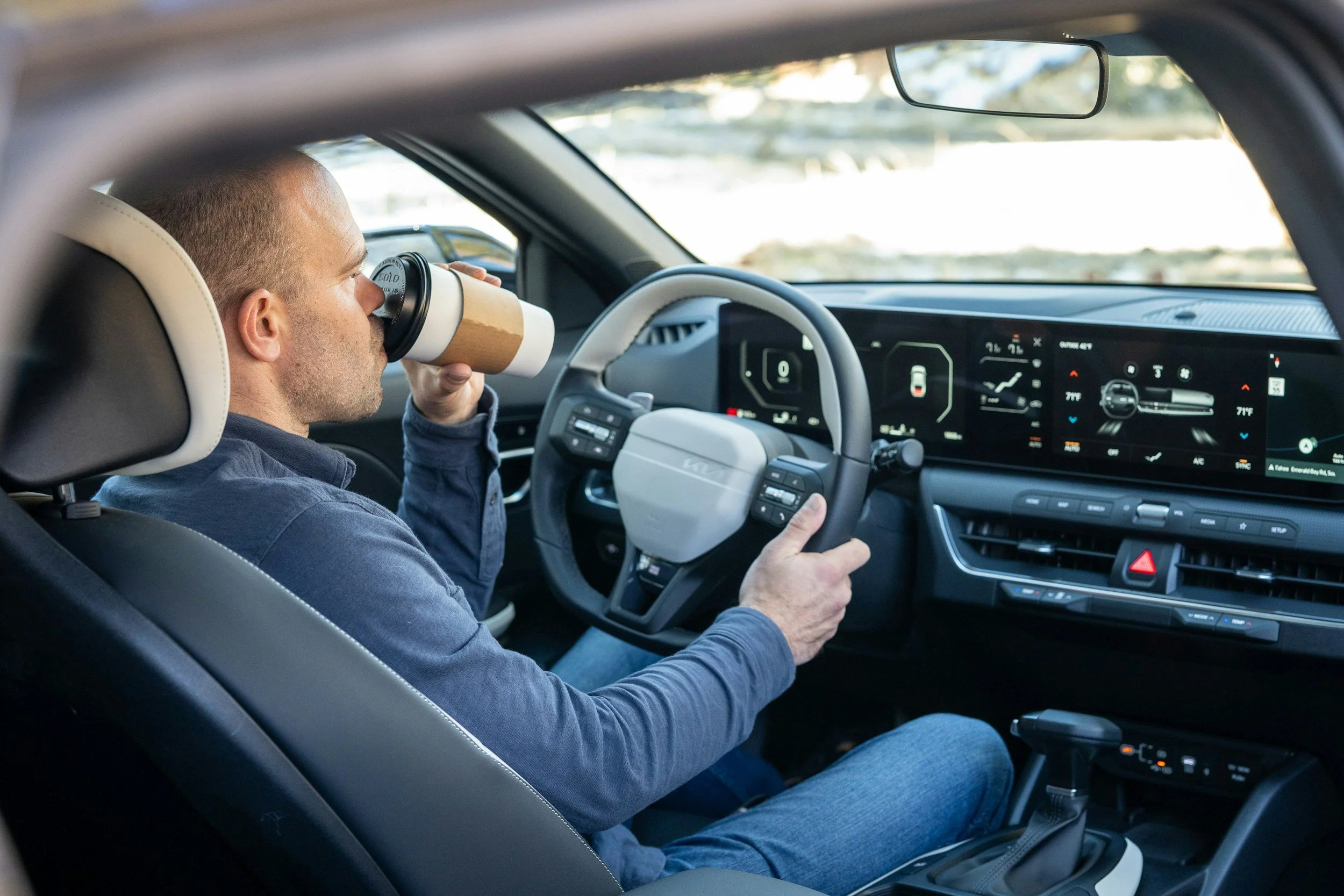
Hands‑Free Phone Use Still Reduces Driving Performance
In a driving‑simulator study, participants who talked on a hands‑free phone committed more serious driving errors than those who drove without distractions. These errors included missed cues, lane deviations, slower reactions, and unsafe decisions.
The key point: hands‑free does not mean risk‑free. The mental effort required for conversation competes directly with the attention required for safe driving.
Distraction Also Reduces Self‑Awareness
Perhaps the most important finding is that distracted drivers weren’t aware of how poorly they drove.
Non‑distracted drivers rated their driving less safe when they made more errors—showing normal self‑monitoring.
Phone‑using drivers showed no relationship between their errors and their self‑ratings. They believed they drove safely even when the data showed otherwise.
This loss of insight is a predictable effect of cognitive distraction—and it helps explain why distracted drivers often feel confident right up until a crash occurs.
Why Expert Testimony Matters in These Cases
Distracted‑driving collisions frequently hinge on questions about attention, perception, and driver awareness. This is where expert interpretation becomes essential.
How Dr. Francesco Biondi Adds Value
As a human‑factors expert and researcher specializing in driver attention and simulator‑based performance:
He explains the science clearly, helping courts understand how distraction impairs both performance and self‑awareness.
He connects research to real‑world crashes, including reaction times, hazard detection, and driver decision‑making.
He provides objective, evidence‑based testimony grounded in validated behavioral science.
This expertise helps clarify why a distracted driver may have failed to respond, misjudged a situation, or inaccurately reported their own behavior.
Key Takeaway
Hands‑free phone conversations diminish driving safety—and the driver’s awareness of their reduced performance. In litigation involving distraction, expert insight is crucial for explaining these scientifically documented impairments and their impact on crash events.